UUUUUUUb.                    III    III             .dVVVVb.           .dVVVVb. 
III  "Y88b                   III    III            d88P  Y88b         d88P  Y88b
III    III                   III    III            III    III         Y88b. d88P
III    III  .d88b.  PPPPPb.  SSSSSS PPPPPb.        III        IIIdIII  "YPPPPP" 
III    III d8P  Y8b III "88b III    III "88b       III  PPPPP IIIP"   .d8P""Y8b.
III    III JJJJJJJJ III  III III    III  III       III    III III     III    III
III  .d88P Y8b.     III d88P Y88b.  III  III       Y88b  d88P III     Y88b  d88P
UUUUUUUP"   "YVVVV  PPPPPP"   "YIII III  III        "YVVVVP88 III      "YVVVVP" 
                    III                                                         
                    III                                                         
                    III                                                         
                    III                                                         

This is my weblog

Blog no. 1
Research ethics

Today, while scrolling through LinkedIn, something caught my attention. An ex-colleague of mine had shared a thoughtful commentary on a newspaper article. His reflections insightful and interesting. But as I read further, I noticed something missing. The original source (The newspaper article) hadn’t been credited. In my humble opinion, this felt like an important gap. After all, when we build our thoughts on someone else’s work, isn’t it our responsibility to acknowledge where it came from?

For a few minutes, I debated with myself. Should I write a comment? Would it come across as offensive? Or would it spark a meaningful conversation? Finally, I chose the balanced path, I wrote something polite and reflective, framing it as my curiosity rather than criticism. That moment gave me a realization: many of us, even professionals, sometimes overlook intellectual property rights (IPR). Not because we intend to do harm, but simply because we don’t think about it in the flow of sharing. And that’s when an idea clicked. What if I could use my own platform to spread awareness about this? Not through heavy lectures, but in simple and engaging ways that make us pause and reflect.

So, I’ve decided to start a short lecture series on my YouTube channel — small videos where I’ll talk about everyday situations like this and what they teach us about research ethics and respecting IPR. My hope is that these stories will remind us of our duties: to build knowledge responsibly, and to ensure we never harm someone else’s intellectual contributions. If this resonates with you, I invite you to join me on this journey. Sometimes, the smallest observations can lead to the most meaningful conversations.
Blog no. 2
Enigmatic life

The principle of abstraction in programming is to hide complicated details and only show what is necessary for understanding and using. This idea is interesting because it goes far beyond code. The world works through layers of meaning and structure that aren't obvious. There are scientific formulas, physical laws, encrypted data, and biological patterns hidden beneath the surface of everyday things. All of these things are waiting to be discovered through observation, logic, and creativity. These hidden layers give everything we experience more depth and meaning, just like abstraction in software.

People have come up with different ways to hide and show information over the years. Acrostics are a mix of language and puzzle-like design that hide messages in the first letters of words or lines. Cryptography changes information into coded forms to keep secrets safe or prove that something is real. Steganography takes things a step further by hiding communication in plain sight by putting data inside other media, like images or sounds. The Enigma machine, which was used during World War II, is a great example of how smart people can hide and decode important information during wartime.

Learning about these tools and methods helps us understand how abstraction works in both technology and everyday life. Learning how to read symbols, patterns, and codes not only helps you solve problems, but it also helps you understand better how knowledge is kept, protected, and shared. Whether they are digital or conceptual, cracking these codes is a journey of discovery that turns hidden complexity into useful information.

Blog no. 3
Geo tagging puzzle

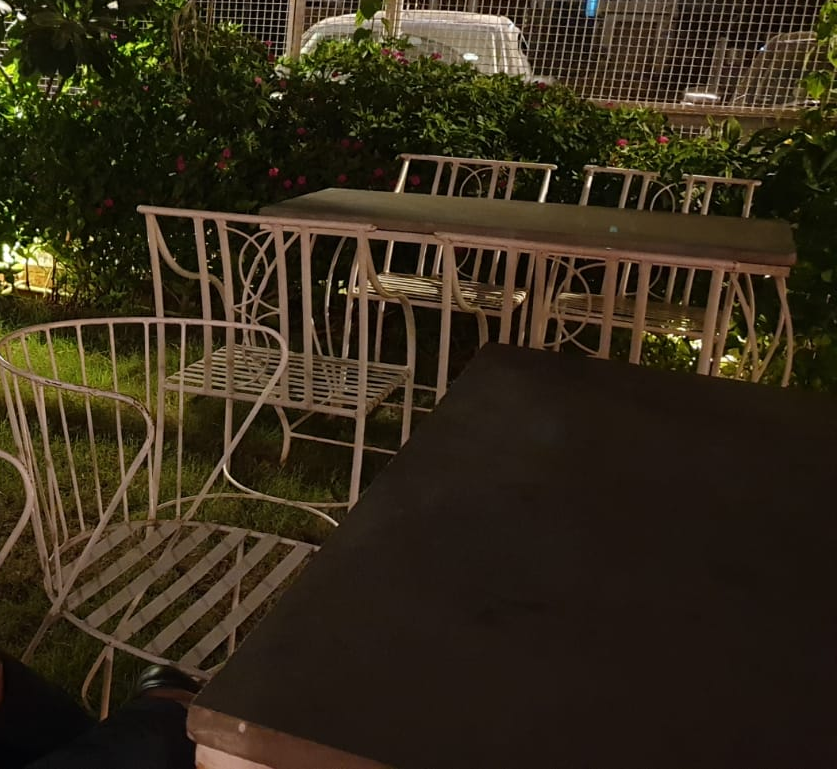
Puzzle: Analyze the image given below and identify its GPS coordinates using OSINT.

Girl in a jacket

Hint: Start by checking the image's metadata for embedded GPS data. If missing, examine visible clues like landmarks, signage, language, and environmental features. Use online maps, satellite imagery, and street views to match these clues to a real location. Document your process, tools used, observations, and finally provide the precise latitude and longitude coordinates with your confidence level.

Hint: It is located in Jaipur and a high quality restaurant.


This exercise hones practical skills in digital image geolocation through open-source resources.

Blog no. 4
Cognitive styles

Puzzle: The banner of this blog is created using ASCII art, which can be used to hide messages.

UUUUUUUb.                    III    III             .dVVVVb.           .dVVVVb.
III  "Y88b                   III    III            d88P  Y88b         d88P  Y88b
III    III                   III    III            III    III         Y88b. d88P
III    III  .d88b.  PPPPPb.  SSSSSS PPPPPb.        III        IIIdIII  "YPPPPP"
III    III d8P  Y8b III "88b III    III "88b       III  PPPPP IIIP"   .d8P""Y8b.
III    III JJJJJJJJ III  III III    III  III       III    III III     III    III
III  .d88P Y8b.     III d88P Y88b.  III  III       Y88b  d88P III     Y88b  d88P
UUUUUUUP"   "YVVVV  PPPPPP"   "YIII III  III        "YVVVVP88 III      "YVVVVP"
                    III
                    III
                    III
                    III

Hint: Analyze the ASCII art for patterns, shapes, or hidden messages. Look for letters, numbers, or symbols that may stand out. Consider the arrangement and spacing of characters, as they might form words or codes when viewed from a different perspective. Use online ASCII art decoders or pattern recognition tools to assist in deciphering any concealed information.


This exercise hones pattern recognition and cryptographic analysis skills.

Blog no. 5
Enigmatic life

One day I walked barefoot in my garden. The grass was pristine and lush green, with no thorns. I enjoyed the colorful flowers I'd planted. The beauty of nature filled me with bliss, like an invisible elixir vitalizing my spirit.

A friend came by. After a short talk, he gave me a seed as a gift. He said it would grow a unique fruit—safe, unwanted by anyone, needing no care. The pitch sounded good. When he left, I decided to study it first.

That night, before bed, I learned the truth. The seed was from a weed like datura, bearing poisonous, thorny fruits. I was shocked. Why give such a thing? People can be ignorant of the harm they spread. I forgave him. Then I smashed the seed. My garden deserved better.

This story means we must guard the fertile garden of our mind from negative people. They bear fruits of poison. Be cautious what you plant there. Others may mean no harm, but you must know better. Think of the seed, not the giver.